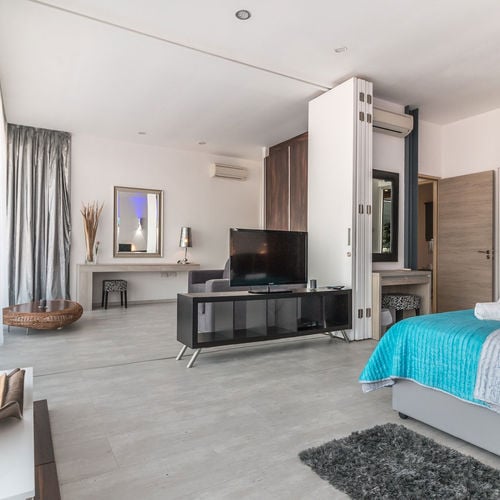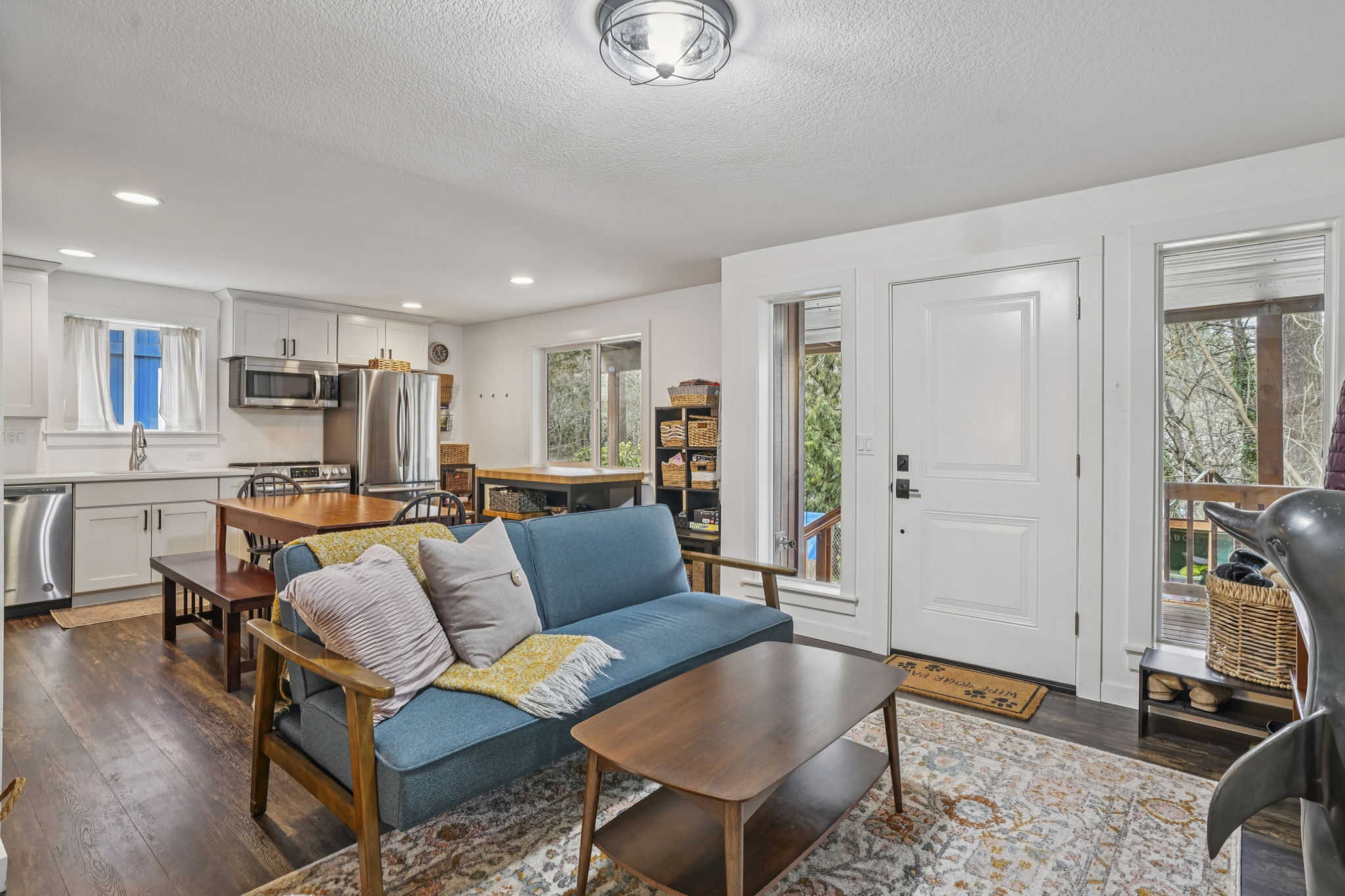
Properties with ADUs generate 30% higher rental income compared to single-family homes without additional units, according to recent Portland housing market data. The property at 4025 NW Pomona St demonstrates this principle perfectly with its dual-living setup that addresses three distinct buyer needs in one purchase. This walkthrough breaks down how the 1,097 square foot main home with three bedrooms and two bathrooms works alongside the separate 879 square foot ADU featuring one bedroom, one bathroom, and its own exterior entrance. You'll see exactly how the bamboo flooring flows through the main house, how the large deck connects indoor and outdoor spaces, and why the wooded setting matters for daily life rather than just curb appeal. Investors will discover the rental potential that goes beyond basic square footage calculations, while home buyers learn how the layout adapts to changing family needs without requiring a move. Multi-generational households get specific examples of how two complete living spaces can provide privacy while keeping family close. The fenced backyard serves as the connecting element that makes both spaces work together for pets, children, and outdoor entertaining. This analysis focuses on practical daily use rather than listing features, showing you how morning routines, evening meals, and weekend activities actually function in this setup. The real question becomes whether this ADU configuration changes your financial calculations enough to justify the investment and how it might reshape your long-term housing strategy.
The big value add how the ADU changes what this home can do for you
Secondary dwelling units transform single-family properties into multi-functional assets that adapt to changing circumstances rather than forcing families to relocate. The 879 square foot accessory unit at 4025 NW Pomona St operates as a completely independent residence that multiplies your housing options without requiring additional land purchases. This configuration shifts the property from a traditional three-bedroom house into a flexible compound that serves multiple generations, guests, or rental tenants simultaneously.
What the ADU is (in plain terms)
The accessory dwelling unit measures 879 square feet and functions as a standalone residence with its own street-facing entrance that bypasses the main house entirely. The unit contains a complete kitchen with full-size appliances, a dedicated dining area, and a living room that connects to one bedroom and one bathroom. All utilities run independently, meaning occupants can control their own heating, cooling, and electrical usage without affecting the main residence. The unit sits on the same lot as the primary house but maintains physical separation through its own exterior access point.
How people actually use it day to day
Three primary usage patterns emerge from ADU ownership data across Portland neighborhoods, each addressing different household needs and financial goals.
- Extended family housing - Adult children returning from college, aging parents who need nearby support, or relatives requiring temporary housing find the ADU provides complete independence while maintaining family proximity. The separate entrance means different schedules, guests, and daily routines never overlap or create friction between households.
- Guest accommodation - Visiting family members, out-of-town friends, or business associates stay in the ADU without disrupting the main house routines or requiring hosts to give up their own bedrooms. The full kitchen allows guests to prepare their own meals and maintain their preferred eating schedules without coordinating with the primary household.
- Rental income generation - Property owners lease the ADU to long-term tenants who value the privacy and independence of a detached unit while paying rent that helps offset mortgage payments, property taxes, and maintenance costs. The separate utilities and entrance create clear boundaries that simplify landlord-tenant relationships.
Rental context + why it matters right now
Southwest Portland ADUs with one bedroom typically command monthly rents between $1,500 and $2,500, with the final amount determined by interior finishes, lease terms, and included utilities. Units with updated kitchens, modern bathrooms, and private outdoor space tend toward the higher end of this range, while basic configurations with shared yard access fall closer to $1,500 monthly. Properties near public transit lines or walkable commercial districts often achieve premium pricing due to tenant demand for car-free living options.
Buyers increasingly prioritize income-generating potential over additional bedrooms when evaluating properties, particularly as mortgage rates and home prices strain monthly budgets. Flexibility becomes the deciding factor when comparing similar properties, as the ADU provides options that standard single-family homes cannot match regardless of their square footage or bedroom count.
A quick layout tour so you can picture daily life right away
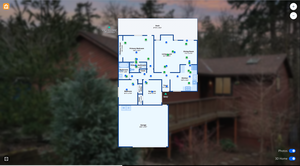
Navigating this property requires understanding two distinct residences that share the same address but operate independently through separate access points and utilities. This mental map breaks down the physical dimensions and entry points to help you visualize how both spaces function without confusion or overlap.
- Main home - 1,097 square feet spread across a single level with three bedrooms and two bathrooms, accessed through the front door that faces the street and connects directly to the attached garage
- ADU - 879 square feet containing one bedroom and one bathroom with its own exterior entrance that bypasses the main residence entirely, allowing occupants to come and go without crossing through shared spaces
Movement patterns between these residences create natural privacy boundaries that eliminate awkward encounters or scheduling conflicts. Main house residents enter through their front door or garage connection, while ADU occupants access their space through the dedicated exterior entrance. Morning coffee routines, evening meal preparation, and weekend activities happen simultaneously without interference since each residence maintains its own kitchen, bathroom facilities, and living areas. Guests visiting either household never accidentally intrude on the other space, and delivery drivers can reach the appropriate door without confusion.
Single-level living in the main residence eliminates mobility barriers that become increasingly important as households age or accommodate family members with physical limitations. "Since some older adults may live in homes with one or more flights of stairs" and other mobility hazards, the absence of steps between bedrooms, bathrooms, and common areas reduces daily strain and supports long-term independence. Laundry, cooking, and sleeping all happen on the same floor, which simplifies daily routines and reduces the risk of falls or injuries associated with stair navigation.
Storing seasonal equipment, workshop tools, bicycles, and outdoor gear becomes manageable through the attached two-car garage that serves both households effectively. Vehicle protection from Portland's frequent rain and winter weather extends car life and eliminates the need to scrape ice or clear snow from windshields during colder months. Workbench space along the garage walls accommodates home repair projects, hobby activities, and equipment maintenance without cluttering either living space. Garden tools, camping gear, and sports equipment find organized storage that keeps both residences uncluttered while remaining easily accessible when needed.
Main home highlights that make the space feel easy and livable
Daily routines shape how homes actually perform, and the 1,097 square foot main residence delivers where it counts most — in the moments between waking up and heading out, coming home after work, and winding down for sleep. This isn't about impressive features that look good in photos but rather the practical elements that make weekday mornings smoother and weekend activities more enjoyable.
Bamboo flooring + everyday flow
"Bamboo is harder than many other hardwoods" and creates a continuous surface that connects the living room, dining area, and kitchen without visual breaks or transitions that fragment the space. This seamless material choice means furniture arrangements feel more intentional and traffic patterns flow naturally between cooking, eating, and relaxing areas. The durability factor becomes apparent during busy periods when multiple people move through these connected spaces simultaneously — school mornings, dinner preparation, or weekend gatherings where spills and foot traffic test flooring performance.
"Maintaining bamboo flooring is easy" which translates to less time spent on weekend cleaning routines and more flexibility for households juggling work schedules, children's activities, or hosting responsibilities. Regular sweeping handles daily maintenance while occasional damp mopping addresses deeper cleaning needs without requiring specialized equipment or expensive maintenance products.
Living + dining areas that fit real furniture
Standard sofas, dining tables, and entertainment centers find appropriate placement within these rooms without requiring custom sizing or awkward positioning against walls. The living area accommodates sectional seating that faces the television while leaving clear pathways to the kitchen and bedrooms. Dining space supports tables that seat six people comfortably with chairs that pull out fully without hitting walls or blocking doorways. Traffic flow between these areas happens naturally during meal preparation when family members move between cooking tasks and table setting, or during evening hours when some household members watch television while others work on laptops at the dining table.
Kitchen that feels move-in ready
Stainless steel appliances eliminate the immediate need for upgrades while providing the cooking capacity that busy households require for meal preparation. Morning coffee routines benefit from counter space that accommodates multiple appliances simultaneously — coffee maker, toaster, and blender can operate without competing for electrical outlets or workspace. Weeknight dinner preparation flows efficiently with adequate prep areas adjacent to the stove and sink, reducing the steps between washing vegetables, chopping ingredients, and transferring food to cooking surfaces.
Bedrooms and baths: turn the numbers into options
Three bedrooms create flexibility that adapts to changing household needs without forcing families to relocate when circumstances shift. One bedroom serves as a dedicated home office with a door that closes for video calls and concentrated work, while maintaining a second bedroom for overnight guests who visit regularly. Parents with children find space for individual bedrooms that provide privacy for homework, hobbies, or teenage years when personal space becomes increasingly important.
The primary bedroom functions as a retreat space where adults can decompress after demanding days, read without interruption, or maintain different sleep schedules without disturbing other household members. Two full bathrooms prevent morning bottlenecks when multiple people need to prepare for work or school simultaneously, and provide backup options when one bathroom requires maintenance or deep cleaning.
Combining this main residence with the separate ADU creates two complete households that operate independently while sharing the same property address, giving families options that single-family homes cannot match regardless of their size or bedroom count.
The ADU walkthrough what is inside and who it works best for
"As an independent living space, an ADU is self-contained" with complete amenities that eliminate any dependency on the primary residence for basic daily functions. This 879 square foot unit operates as a standalone household where occupants cook breakfast, shower, sleep, and entertain guests without coordinating schedules or sharing facilities with anyone else.
The unit centers around an open-concept design where the kitchen flows directly into dining and living areas, creating a cohesive space for meal preparation, eating, and relaxation. Full-size appliances — refrigerator, stove, dishwasher, and microwave — support complete meal planning and cooking routines rather than limiting occupants to simple reheating or snack preparation. Counter space accommodates cutting boards, small appliances, and food storage containers that busy households require for weekly meal prep sessions. The dining area fits a four-person table with chairs, while the adjacent living room provides seating for television viewing, reading, or casual conversations. One bedroom offers space for a queen-size bed, nightstands, and a dresser, while the bathroom includes a full shower, toilet, and vanity with storage for toiletries and linens. The dedicated exterior entrance opens directly from the street, allowing residents to enter and exit without walking through the main house or shared hallways.
Three distinct buyer profiles benefit most from this dual-residence configuration, each requiring different furniture selections and household arrangements to maximize the property's potential.
- Multi-generational families find the ADU perfect for aging parents who want independence while staying close to adult children and grandchildren. The separate kitchen prevents conflicts over meal timing, dietary preferences, or cooking styles that often create tension in shared households. Furnishing focuses on comfort and accessibility — a reclining chair for television viewing, a small dining table for two people, and bedroom furniture at appropriate heights for older adults. Quiet hours between 9 PM and 8 AM respect different sleep schedules, while shared backyard barbecues and holiday gatherings maintain family connections without forcing constant interaction.
- Investment-minded buyers target long-term tenants who appreciate the privacy and yard access that apartment living cannot provide. Pet-friendly policies attract responsible renters willing to pay premium rates for outdoor space where dogs can exercise and cats can safely explore. Furnishing emphasizes durability and easy maintenance — leather or microfiber seating that resists stains, laminate dining tables that withstand daily use, and quality mattresses that last through multiple lease terms. Professional tenants value the separate entrance for work calls and client meetings without disturbing neighbors.
- Work-from-home professionals convert the ADU into a dedicated office suite that eliminates household distractions during important video conferences or focused project work. The bedroom becomes a private office with a large desk, ergonomic chair, and built-in shelving for books and supplies. The living area serves as a meeting space for small client consultations or team collaborations, while the kitchen provides coffee and lunch preparation without returning to the main house during work hours. This separation prevents family activities, television noise, or household visitors from interrupting professional responsibilities.
Planning vehicle arrangements requires designating specific parking spots to prevent daily conflicts over driveway access and street parking availability. Establishing noise guidelines protects both households from disruptions during sleep hours, work calls, or family activities. Furnishing decisions should prioritize either rental durability for investment properties or family comfort for multi-generational arrangements, with each choice affecting long-term maintenance costs and occupant satisfaction.
Outdoor flow that makes the whole property feel bigger
Calculating square footage traditionally stops at exterior walls, but the expansive deck and fenced backyard at 4025 NW Pomona St function as extensions of the interior rooms that dramatically increase usable space without adding to the building footprint. "Indoor/Outdoor living areas are a great way to expand your living space" beyond what floor plans suggest, transforming a 1,097 square foot main residence into a compound that breathes and adapts to seasonal changes and daily rhythms.
Large deck = a second living/dining zone
Morning routines shift naturally from the kitchen counter to the deck railing where coffee tastes better surrounded by mature trees and fresh air instead of four walls. The transition happens through sliding doors that eliminate barriers between cooking breakfast inside and eating it outside, creating one continuous experience rather than separate indoor and outdoor activities. Weekend meal preparation expands beyond the kitchen when grilling moves to the deck while side dishes stay warm in the interior oven, allowing hosts to interact with guests who gather outside instead of being isolated in the kitchen during dinner parties.
Evening conversations extend past sunset when the deck provides seating for family discussions that might feel cramped around the indoor dining table. Summer dinners become regular occurrences when the deck dining area offers relief from indoor heat while maintaining proximity to the kitchen for serving and cleanup. The deck essentially doubles the entertaining capacity during gatherings where some guests prefer outdoor conversations while others gravitate toward indoor activities, creating natural flow between both zones without forcing everyone into the same space simultaneously.
Fenced backyard = lower-stress everyday living
Dog owners save hours weekly when secure fencing eliminates the need for leash walks around the neighborhood for basic exercise and bathroom breaks. Morning routines become simpler when pets can be released into the yard for their needs while owners prepare for work, rather than coordinating outdoor time around busy schedules. The enclosed space prevents interruptions from other dogs, pedestrians, or traffic that often cut short outdoor exercise sessions in unfenced properties.
Children develop independence when parents can supervise from kitchen windows or the deck without hovering directly over playground activities. Backyard birthday parties, weekend barbecues, and casual gatherings happen with reduced noise concerns since the fencing creates a buffer from neighboring properties. Morning coffee on the deck becomes a peaceful ritual when privacy fencing blocks sightlines from adjacent homes, allowing residents to start their day without feeling observed or needing to maintain public appearances in their own outdoor space.
Why a usable yard strengthens the ADU story
Rental tenants consistently rank outdoor access among their top three priorities when evaluating properties, with fenced yards commanding premium monthly rates compared to units without private exterior space. The shared backyard creates value for both the main residence and ADU without feeling cramped or requiring territorial divisions that complicate relationships between households. Multi-generational families benefit from outdoor gathering spaces where grandparents can supervise children's play while adult children prepare meals, maintaining connection across generations without forcing constant indoor proximity.
Two households sharing one fenced yard actually function better than single-family arrangements because responsibilities for lawn maintenance, garden care, and seasonal cleanup can be divided based on interest and ability rather than falling entirely on one household. "Investing in indoor-outdoor architecture is one of the easiest ways to increase your home's value" particularly when the outdoor space serves multiple residences that each contribute to property maintenance and care.
Structuring this property around two complete residences with shared outdoor access creates flexibility that adapts to changing family needs, rental market conditions, and seasonal preferences without requiring renovations or relocations to accommodate new circumstances.
Wooded West Portland Park setting and what it means day to day
Mature Douglas firs and native maples create a natural canopy that filters afternoon sunlight into dappled patterns across the property, reducing harsh glare while maintaining bright, comfortable illumination throughout both residences. The established tree coverage forms visual barriers between neighboring homes, creating pockets of solitude where residents can step outside without feeling exposed to adjacent windows or sidewalk foot traffic. Sound absorption from the surrounding foliage dampens street noise, lawn equipment from nearby properties, and general neighborhood activity that typically penetrates urban residential areas.
Starting each day becomes more restorative when morning coffee happens surrounded by greenery instead of concrete and asphalt, while evening wind-down routines benefit from the natural quiet that wooded areas provide after busy workdays. Outdoor conversations on the deck or in the backyard occur without the self-consciousness that comes from feeling watched by neighbors, allowing families to relax completely in their own space. Children play more freely when parents can supervise from kitchen windows without worrying about noise complaints or maintaining constant public behavior standards.
Here are the practical considerations that shape daily life in this wooded residential area:
- Natural sound barrier and neighbor separation - Tree coverage absorbs noise from adjacent properties, reducing the impact of lawn mowers, dog barking, and outdoor conversations that can disrupt indoor activities or peaceful outdoor time. The visual screening allows both households to use their outdoor spaces simultaneously without feeling cramped or observed, supporting the dual-residence lifestyle where privacy becomes essential for harmonious coexistence.
- Quiet residential character with convenient access - The neighborhood maintains a calm, family-oriented atmosphere where children ride bicycles safely and evening walks happen without heavy traffic concerns. Local amenities remain accessible through established transportation routes, while the residential setting provides refuge from commercial activity and urban density that characterizes busier Portland districts.
- R7 zoning supports long-term adaptability - Portland's R7 residential designation specifically accommodates accessory dwelling units, making this property type common and accepted within the neighborhood rather than an unusual exception that might face future restrictions. The city's ADU-friendly policies create a supportive regulatory environment where dual-residence properties maintain their value and functionality over time, regardless of changing municipal priorities or housing policies.
- Environmental risk assessment for informed planning - Flood and wind risks remain minimal based on topographical location and historical weather patterns, while moderate fire risk requires seasonal awareness during dry summer months when "fires have begun in mid-July and extended into early October." Practical fire preparation involves maintaining defensible space around both structures, clearing dry vegetation annually, and having evacuation plans that account for two separate households sharing one property address.
- Air quality management during wildfire season - Occasional smoke events affect the broader Portland area when regional wildfires impact air quality, with "Everyone should keep watch on local air quality" becoming a routine summer practice. Installing HEPA air filters in both residences, checking daily AQI readings through weather apps, and having indoor activity plans for poor air quality days helps households maintain comfort during temporary environmental challenges without compromising long-term livability.
Choosing this wooded setting supports a lifestyle centered on tranquility and flexibility, where the natural environment enhances daily routines while the dual-residence configuration adapts to evolving family circumstances, work arrangements, or investment goals without requiring relocation or major renovations.
Final Thoughts
This flexible two-space property demonstrates how the 879 sq ft ADU expands your options without forcing a one-size-fits-all lifestyle. The numbers tell a compelling story - 1,097 sq ft of main home comfort paired with a completely separate living unit that functions independently yet connects seamlessly to the shared outdoor space.
The data shows this setup works best for three distinct buyer profiles. Smart buyers who want a layout that works now and adapts later benefit from the main home's single-level design and bamboo flooring durability. Multi-generational families gain the rare combination of togetherness with boundaries - shared backyard activities while maintaining separate kitchens, entrances, and living spaces. Investors and house hackers see value beyond the combined 1,976 sq ft total because rental income potential from the ADU changes the financial equation entirely.
The fenced backyard ties both structures together, creating a unified property that supports daily routines for pets, children, and outdoor entertaining. The wooded setting provides natural privacy while the separate exterior entry to the ADU maintains independence for whoever occupies that space.
This information helps you evaluate whether the property matches your specific needs rather than hoping it might work. You can visualize exactly how morning routines, family gatherings, and quiet evenings would function across both spaces.
Schedule a walkthrough with your particular use case in mind. Test how your daily routines would flow in each space. Walk between the main home and ADU. Spend time in the backyard. The 3 bedrooms, 3 total bathrooms, and dual living areas either solve your housing puzzle or they don't - but you'll know for certain after experiencing the layout firsthand.
Check out this article next